College Multicultural Organizations
Student-Led Groups Fostering Diversity, Cultural Pride, and Inclusion on College Campuses
Exploring the history, mission, and transformative impact of multicultural student organizations on American college campuses.
Discover how multicultural organizations have reshaped American higher education by creating inclusive communities, celebrating cultural heritage, and promoting social awareness. Learn about the founding principles that drive these organizations, their significant impact on student development and campus climate, and their essential role in fostering diversity, equity, and social justice on college campuses across the nation.
Start Learning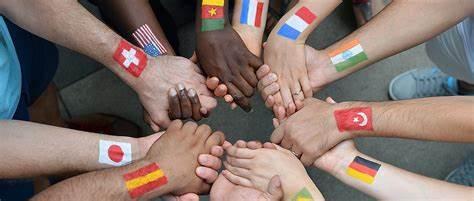
History of Multicultural College Organizations
Multicultural student organizations emerged from movements for diversity, inclusion, and cultural representation, becoming transformative forces on college campuses.
Foundations: The Civil Rights Era (1960s-1970s)
The emergence of multicultural student organizations is inseparable from the broader Civil Rights Movement and the struggle for equality and representation in American institutions. During the 1960s and 1970s, college campuses became epicenters of activism and social change. African American students, Latino students, Asian American students, and other underrepresented groups began organizing to assert their cultural identity, demand institutional change, and create communities of support within predominantly white institutions. These early organizations challenged the assumption that college communities could remain exclusively white or culturally homogeneous.
The emergence of Black Student Unions, Chicano student organizations, and other culturally-based groups represented a fundamental shift in how students understood their educational experiences and their role in shaping campus communities. These organizations created spaces where students could celebrate their heritage, develop leadership skills, address systemic discrimination, and build solidarity with others facing similar challenges. They challenged institutional practices, advocated for recruitment of diverse faculty and students, and demanded curriculum changes that reflected diverse histories and perspectives. These early multicultural organizations functioned simultaneously as cultural centers, social movements, and engines of institutional change.
The philosophical foundation of multicultural organizations emphasized that diversity and inclusion benefit all students and institutions. Rather than viewing cultural organizations as separatist, progressive institutions recognized them as essential to creating genuinely inclusive learning environments. Campus leadership gradually began supporting multicultural organizations and recognizing their educational value. Federal civil rights enforcement and affirmative action policies created institutional pressure to diversify campuses, making multicultural student organizations increasingly important for retention, community building, and fostering a sense of belonging among underrepresented students.
Expansion and Proliferation (1980s-1990s)
Diversification of Multicultural Organizations
The 1980s and 1990s witnessed explosive growth and diversification of multicultural student organizations. As campuses became increasingly diverse through affirmative action and recruitment initiatives, student organizations emerged to serve specific cultural, ethnic, and identity-based communities. Beyond African American and Latino student organizations, new organizations emerged serving Asian American and Pacific Islander students, Arab American students, Native American students, LGBTQ+ students of color, international students, and multi-ethnic or mixed-race student groups. Each organization brought its own distinct cultural traditions, programming, and approaches to community building while contributing to the broader multicultural campus ecosystem.
During this era, institutions increasingly recognized multicultural organizations as valuable components of student life. Many universities created dedicated multicultural centers or offices to support these organizations, provide funding, and coordinate programming. Professional staff with expertise in multiculturalism and diversity were hired to mentor student leaders and facilitate dialogue across different cultural communities. This institutional support validated the importance of multicultural work while providing resources that enhanced the organizations' capacity to serve their members and educate the broader campus community.
Multicultural organizations became increasingly sophisticated in their structure and programming. Organizations developed mentorship programs, leadership institutes, cultural awareness workshops, heritage month celebrations, and community service initiatives. Many formed governing councils or umbrellas that facilitated collaboration among different cultural organizations while maintaining individual identities and autonomy. These coordination structures allowed organizations to share resources, organize joint programming, and present a unified voice when advocating for institutional change. This period established many of the structures and traditions that continue characterizing multicultural student organizations today.
Impact on Campus Culture and Student Development
The growth of multicultural organizations fundamentally transformed campus culture at American colleges and universities. Where once cultural homogeneity characterized campus life, multicultural organizations created visible, vibrant celebrations of diverse cultures and traditions. Heritage months—Black History Month, Latino Heritage Month, Asian Pacific American Heritage Month, Native American Heritage Month—became institutionalized celebrations with significant campus programming organized by student multicultural organizations. These celebrations moved cultural education from marginalized spaces into central positions on campuses, educating all students about diverse historical experiences and contemporary contributions of different communities.
Contemporary Multicultural Organizations (2000s-Present)
In the twenty-first century, multicultural student organizations have become core institutions on American college campuses, with virtually all substantial universities hosting multiple organizations serving specific cultural communities. These organizations have evolved to address contemporary issues affecting their communities while maintaining connections to historical struggles and cultural traditions. Modern multicultural organizations balance cultural celebration with engagement in social justice work, combining cultural pride with activism addressing systemic inequality.
Contemporary multicultural organizations engage in sophisticated work addressing intersectionality—recognizing that students hold multiple identities and face overlapping systems of oppression and privilege. Organizations increasingly acknowledge that multicultural work requires addressing not just race and ethnicity but gender identity, sexual orientation, class status, ability, immigration status, and other dimensions of identity. This intersectional approach has made multicultural organizations spaces where students develop nuanced understandings of social justice and practice coalition-building across different communities.
The digital age has transformed how multicultural organizations operate and connect. Social media enables organizations to reach broader audiences, coordinate activism, and create virtual communities. Digital platforms have made multicultural organizing more accessible and allowed organizations to respond rapidly to contemporary racial justice issues. At the same time, multicultural organizations have become more intentional about creating in-person community spaces and rituals that build belonging, recognizing that digital connection cannot fully replace face-to-face community building. This hybrid approach reflects how contemporary students navigate their identities and activism.
Core Mission and Values
Central Purposes
- • Cultural preservation and celebration of heritage traditions
- • Community building and fostering sense of belonging
- • Educational advocacy and cultural awareness programming
- • Social justice work addressing systemic inequality
- • Supporting student success and well-being
Key Values
- • Equity and inclusion for all students
- • Cultural pride and authentic identity expression
- • Community accountability and collective liberation
- • Intergenerational knowledge and mentorship
- • Coalition-building across different communities
Impact on Student Development and Campus Climate
Research demonstrates that participation in multicultural student organizations significantly contributes to student development, particularly for students from underrepresented backgrounds. Students who engage with cultural organizations report greater sense of belonging, stronger connection to their cultural identity, enhanced leadership development, and improved academic persistence. These organizations provide practical leadership opportunities where students develop skills in organizational management, event planning, public speaking, and community engagement that serve them throughout their lives.
Multicultural organizations also contribute to broader campus climate by diversifying the narratives presented in campus spaces, challenging stereotypes and promoting cross-cultural understanding. Campus programming organized by multicultural organizations—from heritage month celebrations to social justice workshops—educates all students about diverse experiences and histories that might otherwise remain invisible in curriculum. This educational work combats prejudice, builds empathy across different communities, and prepares students to function effectively in an increasingly diverse society.
Despite these positive impacts, multicultural organizations continue facing challenges. Inadequate institutional funding, limited staff support, administrative barriers to activism, and persistent discrimination within institutions restrict their capacity to fully serve their communities. Many institutions pay lip service to diversity while failing to provide resources necessary for multicultural organizations to thrive. Students leading these organizations often manage substantial workloads balancing leadership responsibilities with academic demands. Yet despite these challenges, multicultural organizations persist and grow, testament to their fundamental importance to students of color and to creating genuinely inclusive higher education communities.
The Future of Multicultural Campus Communities
As American college campuses continue becoming more diverse, multicultural student organizations face both opportunities and challenges. Changing demographics mean that students of color now represent substantial portions of student bodies at many institutions, creating potential for greater institutional responsiveness to their needs and voices. Simultaneously, persistent racial inequality, rising xenophobia, and attempts to dismantle affirmative action and DEI initiatives create hostile environments where multicultural work becomes more difficult and more essential.
The future of multicultural organizations likely includes increasing emphasis on intersectional work acknowledging overlapping identities and oppressions, deeper engagement with questions of accessibility and inclusion within multicultural spaces themselves, and more intentional coalition work addressing common challenges affecting multiple marginalized communities. As social media and digital activism reshape how students organize, multicultural organizations will continue adapting while maintaining commitment to in-person community building and cultural traditions. Ultimately, multicultural student organizations will remain essential institutions on American college campuses—spaces where students build authentic communities, celebrate their identities, develop leadership, and work toward creating more just and equitable educational institutions and society.
Multicultural Fraternities and Sororities
Discover the history, values, and impact of Greek letter organizations founded to serve multicultural communities on college campuses.
Founded: 1906 at Cornell University
The first intercollegiate Greek-letter fraternity for African American men. Alpha Phi Alpha pioneered the mission of developing leaders committed to scholarship, fellowship, good character, and uplift of humanity.
Core Values
Notable Members: Dr. Martin Luther King Jr., Thurgood Marshall, W.E.B. Du Bois, Colin Kaepernick
Founded: 1908 at Howard University
The first sorority established for African American women. Alpha Kappa Alpha emphasizes academic excellence, ethical leadership, and commitment to community service. The sorority has advanced the educational and social causes of African American women for over a century.
Core Values
Notable Members: Oprah Winfrey, Rosa Parks, Maya Angelou, Kamala Harris
Founded: 1913 at Indiana University
A historically African American social fraternity emphasizing achievement in every field of endeavor and the advancement of social and economic opportunities for all people. Kappa Alpha Psi members are committed to developing themselves as assets to their communities.
Core Values
Notable Members: John Singleton, Tom Bradley, Alcee Hastings, Bob Johnson
Founded: 1913 at Howard University
A public service sorority dedicated to bold action and social change. Delta Sigma Theta works to address critical social issues through innovative community engagement and has become a powerful force for social justice and empowerment of Black women.
Core Values
Notable Members: Phyllis Hyman, Oprah Winfrey, Condoleezza Rice, Sheryl Underwood
Founded: 1920 at Howard University
Founded on the principles of sisterhood, scholarship, service, and social action. Zeta Phi Beta is committed to improving the quality of life for African American women and communities through activism, education, and leadership development.
Core Values
Notable Members: Marian Wright Edelman, Beverly Johnson, Afeni Shakur, Cicely Tyson
Founded: 1922 at Butler University
A multicultural sorority centered on great women of vision, dedicated to developing leaders and advancing social causes. Sigma Gamma Rho emphasizes sisterhood, service, and spiritual development in advancing the well-being of African American communities.
Core Values
Notable Members: Grace Jones, Cheryl James, Shantel VanSanten, Helen G. Edmonds
Founded: 1987 at Florida International University
The first Latino-interest social fraternity, dedicated to developing leaders and promoting Latino culture, heritage, and education. Phi Iota Alpha creates community for Latino men and advocates for Latino student success in higher education.
Core Values
Notable Members: Roberto Goizueta, José Luis Vargas, Ramón Rosario, Adolfo Carrión Jr.
Founded: 1985 at Cornell University
A Pan-Asian interest fraternity dedicated to developing leaders committed to service. Alpha Psi Lambda celebrates Asian and Asian Pacific Islander heritage while building community and fostering leadership among Asian American students.
Core Values
Notable Members: Business leaders, community organizers, and professionals in education, law, and medicine
Founded: 1995 at Long Beach State University
A social fraternity/sorority/organization founded to foster unity among LGBTQ+ Greek-letter organizations. Gamma Rho Lambda creates inclusive community spaces where LGBTQ+ students can build brotherhood and sisterhood while advancing social justice.
Core Values
Notable Members: LGBTQ+ community leaders, activists, educators, and professionals across all industries
Founded: 1990 at UCLA
A multicultural women's fraternity emphasizing sisterhood, cultural awareness, and service. Alpha Kappa Delta Phi creates inclusive community where women of color celebrate their cultural identities while pursuing academic excellence and leadership.
Core Values
Notable Members: Women leaders in business, education, healthcare, law, and community development
Founded: 1996 at UC Davis
A multicultural women's fraternity focused on sisterhood, cultural awareness, and leadership development. Gamma Delta Mu builds authentic sisterhood across cultural lines while celebrating diverse heritages and advancing inclusive communities.
Core Values
Notable Members: Women leaders in education, nonprofit sectors, technology, and public service
Types of Multicultural College Organizations
Explore the diverse landscape of multicultural student organizations that create community and foster cultural pride on college campuses.
Black Student Unions
Organizations that celebrate African American culture, build community for Black students, advocate for equity, and organize cultural programming and social justice initiatives.
Latino/Hispanic Student Organizations
Groups celebrating Latin American and Hispanic cultures, supporting Latino students, organizing heritage month events, and advocating for Latinx student needs and representation.
Asian American & Pacific Islander Organizations
Organizations celebrating diverse Asian American and Pacific Islander cultures, fostering community for AAPI students, and addressing issues affecting Asian communities on campus.
Native American Student Organizations
Groups centered on Native American and Indigenous cultures, supporting Native students, celebrating tribal traditions, and advocating for Indigenous rights and representation.
Arab American & Middle Eastern Organizations
Organizations celebrating Arab American and Middle Eastern cultures, building community for students from these regions, and addressing Islamophobia and xenophobia.
LGBTQ+ Student Organizations
Groups supporting LGBTQ+ students, celebrating diverse sexual orientations and gender identities, providing safe spaces, and advocating for LGBTQ+ rights and inclusion.
International Student Organizations
Organizations supporting students from around the world, facilitating cultural exchange, addressing challenges faced by international students, and building global community.
Multi-Ethnic & Multiracial Organizations
Groups serving students with multiple racial and ethnic identities, celebrating multiracial experiences, addressing unique challenges of multiracial students, and building inclusive community.
Cultural Affinity Spaces & Coalitions
Umbrella organizations and coalitions bringing together multiple cultural organizations, facilitating collaboration, coordinating joint programming, and presenting unified voices.
Frequently Asked Questions
Have questions about multicultural college organizations? Here are answers to some common inquiries.
Comments & Discussion
Have thoughts or questions about this topic? Share your feedback below. All comments are moderated to maintain a respectful community.