Triangle
Founded 1907
University of Illinois
History
An engineering and technology-focused fraternity dedicated to fostering innovation, leadership, and professional development among engineering students.
Founded
1907
Institution
University of Illinois
Deep History
Founding and Early Vision
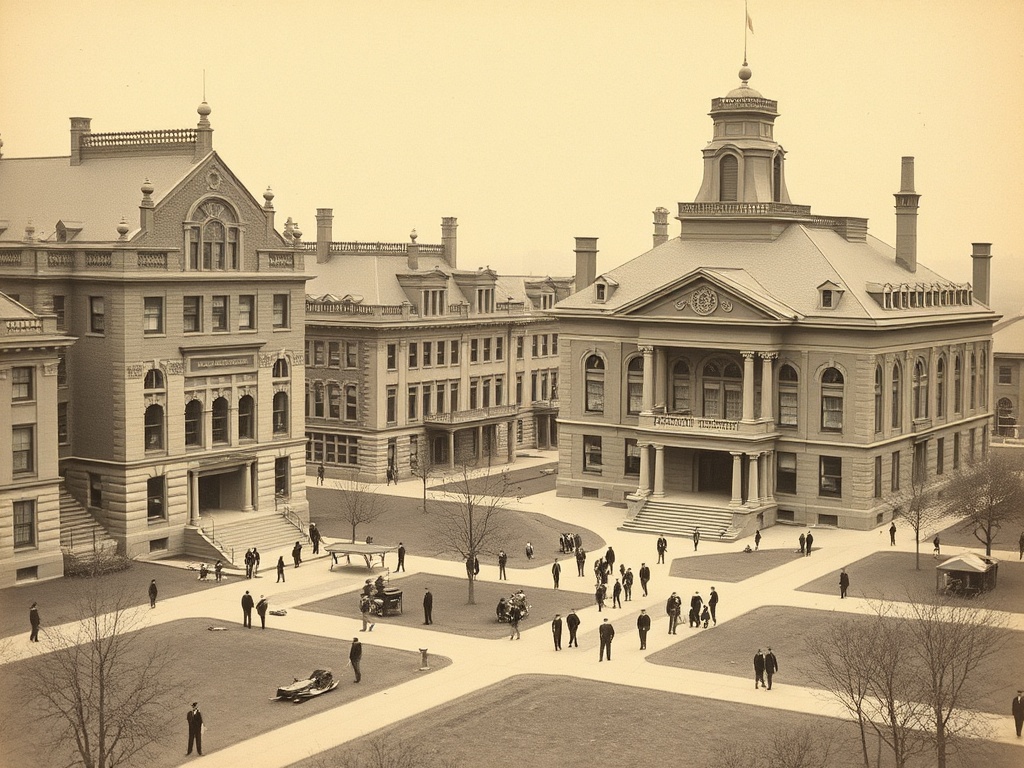
Triangle was established in 1907 with a distinct vision for what college brotherhood should represent. The founders sought to create a community built on principles that would distinguish their organization from others of the era. They envisioned a space where members would grow together, develop meaningful friendships, and commit to ideals that transcended the college years. Whether emphasizing cultural pride, academic achievement, leadership development, or social responsibility, the early members established foundational principles that continue to guide the organization. This founding vision reflected both the needs of their contemporary moment and timeless values of human dignity, excellence, and community commitment.
Growth and Expansion

Following its founding, Triangle grew from a single chapter to a national or multi-campus presence, expanding to universities where it could impact the lives of students seeking meaningful community. This expansion required developing systems and structures that allowed chapters to maintain local autonomy while adhering to shared values and principles. As the organization grew, it created networks of members across institutions, enabling lifelong friendships and professional connections that extended well beyond undergraduate years. The expansion phase demonstrated the appeal and relevance of the organization's mission, attracting chapters to diverse universities and attracting members from varied backgrounds. This growth solidified the organization's role as a significant force in the Greek experience at multiple institutions.
Mid-Century Development

Through the latter twentieth century, Triangle evolved in response to changing social conditions, member needs, and broader movements in American higher education and society. The organization adapted its practices while maintaining core commitments, navigating challenges and opportunities that reshaped the fraternity and sorority landscape. Members engaged with contemporary issues affecting their communities and society, translating the organization's principles into meaningful action. This period saw the development of more sophisticated leadership structures, community service initiatives, and educational programs designed to help members thrive personally and professionally. The organization's resilience and adaptability during this period demonstrated the enduring relevance of its founding vision even as specific practices and emphases evolved.
Modern Era and Legacy

In contemporary times, Triangle continues its mission while embracing new understanding of inclusion, diversity, and social responsibility. Current members honor the organization's traditions while pushing forward with updated perspectives on what brotherhood and sisterhood mean in the twenty-first century. The organization's legacy encompasses generations of members who have committed themselves to its ideals, achieved distinction in their professions and communities, and mentored younger members in turn. Modern chapters maintain connections with alumni networks that span decades, creating intergenerational communities committed to the organization's values. As Triangle looks toward the future, it carries forward the best of its traditions while remaining responsive to the evolving needs and aspirations of members and communities it serves.
Traditions
Core Values
Charity Partnerships
Frequently Asked Questions
What makes Triangle different from other fraternities?
Triangle is exclusively dedicated to engineering and technology-focused fields. Rather than welcoming students from all disciplines, Triangle creates specialized community of engineering students and professionals united by commitment to engineering excellence and technological innovation.
Why was Triangle founded at the University of Illinois?
The University of Illinois was establishing itself as one of America's premier engineering institutions in 1907. The campus environment, with growing engineering program and focus on practical education, provided ideal setting for founding an engineering-focused fraternity.
How does Triangle support engineering education?
Triangle provides peer support for technical coursework, mentorship from practicing engineers, study groups addressing technical challenges, and forums for discussing engineering problems and solutions. Members learn from each other and from accomplished professionals.
What role do technical competitions play in Triangle?
Technical competitions, industry conferences, and engineering challenges provide members opportunities to test and demonstrate their skills, engage with real-world problems, and compete against other engineering communities. These activities prepare members for professional practice.
How does Triangle connect members with industry?
The fraternity maintains strong relationships with engineering industries, facilitating internships, career placement, and mentorship from practicing engineers. These connections provide members with professional opportunities and exposure to cutting-edge technical work.
What is Triangle's approach to innovation?
Triangle encourages members to approach technical challenges creatively, think beyond established solutions, and understand their potential role in advancing the technological frontier. Innovation is understood as central to engineering practice and professional responsibility.
How selective is Triangle in membership?
Triangle maintains selective membership standards, seeking engineering students demonstrating strong technical ability, commitment to engineering excellence, good character, and willingness to engage seriously with professional development. Selection emphasizes academic and technical capability.
What kinds of professionals have Triangle members become?
Triangle alumni have become renowned engineers, technology innovators, industry leaders, and entrepreneurs. Members have contributed substantially to technological advancement across industries from aerospace to information technology.
How does Triangle prepare members for leadership?
Through mentorship from accomplished engineers, opportunities to lead technical projects, professional development seminars, and exposure to engineers in leadership positions, Triangle prepares members for advancement in engineering careers and for leadership in technical organizations.
What community service does Triangle perform?
Triangle supports STEM education programs, provides engineering scholarships, and engages in technology access initiatives. The fraternity believes that engineering professionals have responsibility to expand access to technical education and to support development of future engineers.
How does Triangle integrate technical and social community?
While emphasizing technical excellence, Triangle maintains strong brotherhood and social community. Technical learning and professional development are integrated with genuine friendship and shared commitment to engineering advancement.
What is Triangle's role in engineering education?
Triangle has demonstrated how fraternities can effectively serve specialized professional education, providing models for how technical communities can be enriched through brotherhood, mentorship, and integration of professional development with social community.
What can prospective engineering members expect from Triangle?
Prospective members should expect a fraternity that takes engineering excellence seriously, provides access to accomplished engineers for mentorship, facilitates professional development and career opportunities, and creates community of peers committed to technical achievement and innovation.
Share Your Thoughts
Have thoughts or comments about Triangle? We'd love to hear from you.