Kappa Sigma
Founded 1869
University of Virginia
History
One of the largest fraternities with strong traditions of brotherhood, academic excellence, and community service across the nation.
Founded
1869
Institution
University of Virginia
Deep History
Founding and Early Vision
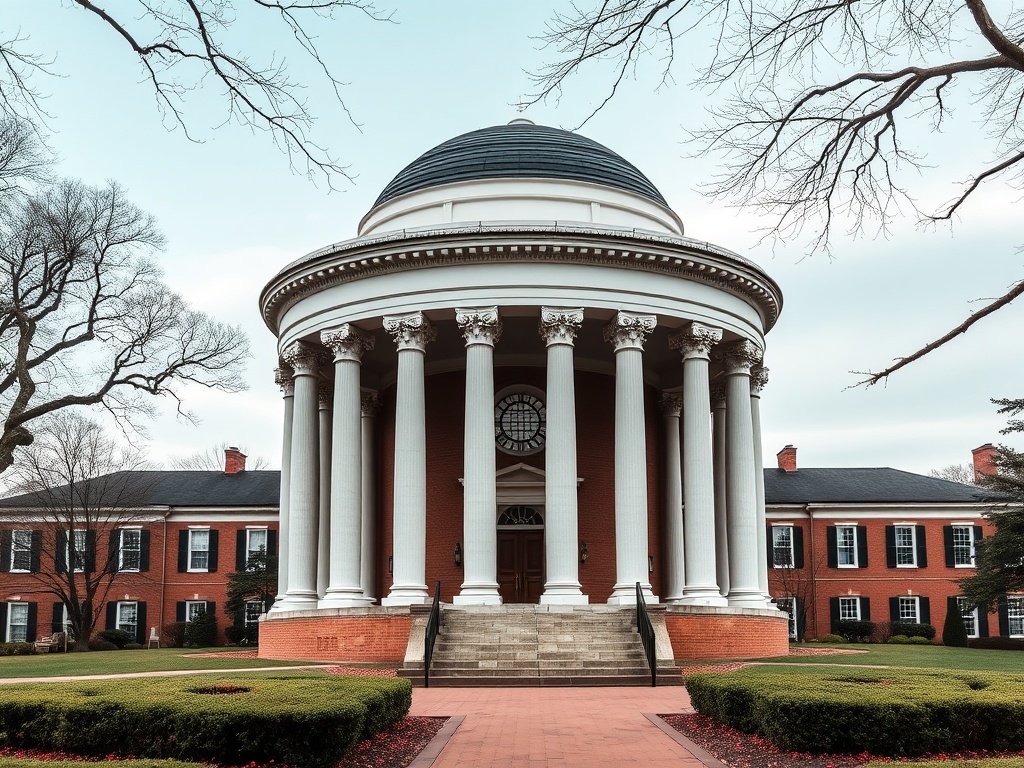
Kappa Sigma was founded at the University of Virginia in 1869 with commitment to developing men grounded in loyalty, honor, and integrity. The founders envisioned fraternity serving as community supporting members' personal and professional development while maintaining responsibility to broader society. They understood that brotherhood should be authentic and grounded in shared values, that leadership requires both competence and integrity, and that members should serve their communities. This founding vision reflected post-Civil War hopes for national renewal through development of ethical leaders.
Growth and Expansion

Kappa Sigma expanded from its Virginia foundation to establish chapters at universities across North America, becoming one of the largest fraternities. This growth reflected the appeal of Kappa Sigma's model grounding brotherhood in loyalty and honor. Each new chapter brought the fraternity to different universities and regions, creating networks of Kappa Sigma men united by shared values and lifelong connections. The expansion demonstrated that Kappa Sigma's approach to fraternity resonated with successive generations of college men seeking genuine community.
Mid-Century Development

Throughout the twentieth century, Kappa Sigma developed increasingly sophisticated structures for leadership development and chapter support at national level. The fraternity established annual conferences bringing together chapter leaders, created mentorship programs connecting members with accomplished alumni, and developed programming addressing members' academic and professional needs. This period demonstrated Kappa Sigma's commitment to adapting its practices while maintaining core values of loyalty, honor, and integrity.
Modern Era and Legacy

In contemporary times, Kappa Sigma continues to develop men emphasizing loyalty, honor, integrity, leadership, and service. Modern chapters maintain high academic standards, provide mentorship addressing members' holistic development, facilitate leadership training, and engage in substantial community service through children's hospital support, hunger relief, disaster aid, and youth mentorship. Kappa Sigma's legacy encompasses generations of leaders who credit the fraternity with developing their integrity and their understanding of responsibility to serve.
Traditions
Core Values
Notable Members
Charity Partnerships
Frequently Asked Questions
What is significant about Kappa Sigma's founding in 1869?
Kappa Sigma was founded at the University of Virginia in Reconstruction era, when the nation was rebuilding after the Civil War. The fraternity was established with commitment to developing leaders of integrity and honor capable of healing national divisions and contributing to societal renewal.
What does Kappa Sigma's emphasis on loyalty mean?
Loyalty in Kappa Sigma context means committed, reliable relationships grounded in shared values and mutual commitment. Members are loyal to each other, to their chapters, to their fraternity, and to causes and communities they serve.
How does Kappa Sigma approach honor and integrity?
Kappa Sigma teaches that honor requires integrity in dealings with others, honesty, ethical behavior, and willingness to take responsibility for actions. Members understand that personal honor is built through consistent ethical action and respect for others.
What makes Kappa Sigma's annual conferences distinctive?
Kappa Sigma's annual conferences bring together chapter leaders from across the nation to share best practices, develop leadership skills, discuss contemporary issues, and strengthen connections across chapters. The conferences reflect commitment to continuous improvement and fraternity-wide community.
How has Kappa Sigma become one of the largest fraternities?
Kappa Sigma's growth from Virginia foundation to presence at universities nationwide reflects appeal of its model grounding brotherhood in loyalty, honor, and integrity. Growth demonstrates that members value these core values and the community Kappa Sigma provides.
What is Kappa Sigma's approach to service?
Kappa Sigma supports children's hospitals, hunger relief, disaster relief, and youth mentorship. Service reflects understanding that success should be coupled with commitment to improving others' lives and contributing to society's progress and welfare.
How selective is Kappa Sigma in membership?
Kappa Sigma maintains standards for membership, seeking men of good character demonstrating commitment to academic achievement, leadership potential, integrity, and willingness to engage in service and community contribution.
What kinds of leaders have Kappa Sigma members become?
Kappa Sigma alumni have become CEOs, military generals, athletes, entertainers, and public figures across professions. These accomplished individuals credit fraternity mentorship and brotherhood with significant influence on their success and values.
How does Kappa Sigma support members' academic development?
The fraternity maintains high academic standards, provides peer support for scholarly work, recognizes academic achievement, and creates environments where intellectual development is valued. Members support each other's academic success.
What role does mentorship play in Kappa Sigma?
Mentorship is central to Kappa Sigma community, with older members mentoring younger members, alumni mentoring active chapters, and accomplished leaders providing guidance on leadership, ethics, and professional development.
How does Kappa Sigma maintain consistency across its large organization?
Through national conferences, shared values and standards, consistent leadership development programming, support from national office, and communication ensuring that local chapters understand national expectations while adapting to campus contexts.
How has Kappa Sigma adapted while maintaining its values?
The fraternity has thoughtfully adapted practices and programming to meet evolving member needs and changing social contexts, while maintaining fundamental commitments to loyalty, honor, integrity, leadership, and service.
What is Kappa Sigma's vision for fraternity?
Kappa Sigma believes fraternities should develop leaders of integrity and honor, create communities grounded in loyalty and shared values, support members' personal and professional development, and maintain commitment to serving communities and advancing societal welfare.
Share Your Thoughts
Have thoughts or comments about Kappa Sigma? We'd love to hear from you.