Delta Sigma Phi
Founded 1902
City College of New York
History
Founded in New York with emphasis on building character and leaders through brotherhood, with strong commitment to social responsibility.
Founded
1902
Institution
City College of New York
Deep History
Founding and Early Vision

Delta Sigma Phi was established in 1902 with a distinct vision for what college brotherhood should represent. The founders sought to create a community built on principles that would distinguish their organization from others of the era. They envisioned a space where members would grow together, develop meaningful friendships, and commit to ideals that transcended the college years. Whether emphasizing cultural pride, academic achievement, leadership development, or social responsibility, the early members established foundational principles that continue to guide the organization. This founding vision reflected both the needs of their contemporary moment and timeless values of human dignity, excellence, and community commitment.
Growth and Expansion
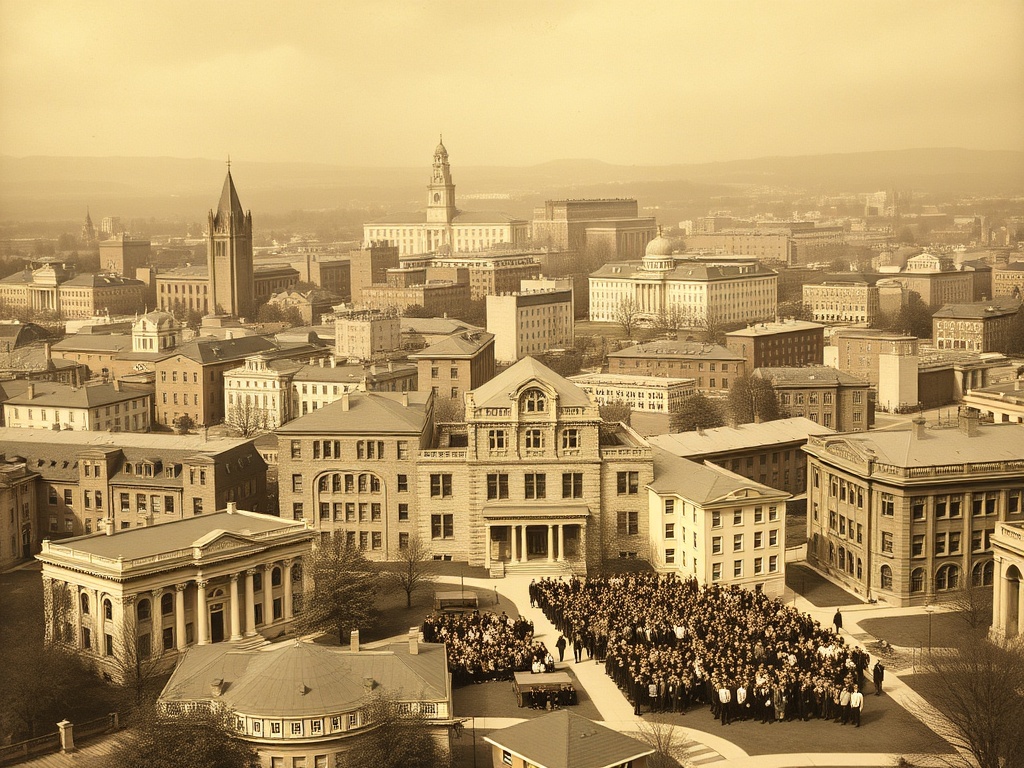
Following its founding, Delta Sigma Phi grew from a single chapter to a national or multi-campus presence, expanding to universities where it could impact the lives of students seeking meaningful community. This expansion required developing systems and structures that allowed chapters to maintain local autonomy while adhering to shared values and principles. As the organization grew, it created networks of members across institutions, enabling lifelong friendships and professional connections that extended well beyond undergraduate years. The expansion phase demonstrated the appeal and relevance of the organization's mission, attracting chapters to diverse universities and attracting members from varied backgrounds. This growth solidified the organization's role as a significant force in the Greek experience at multiple institutions.
Mid-Century Development
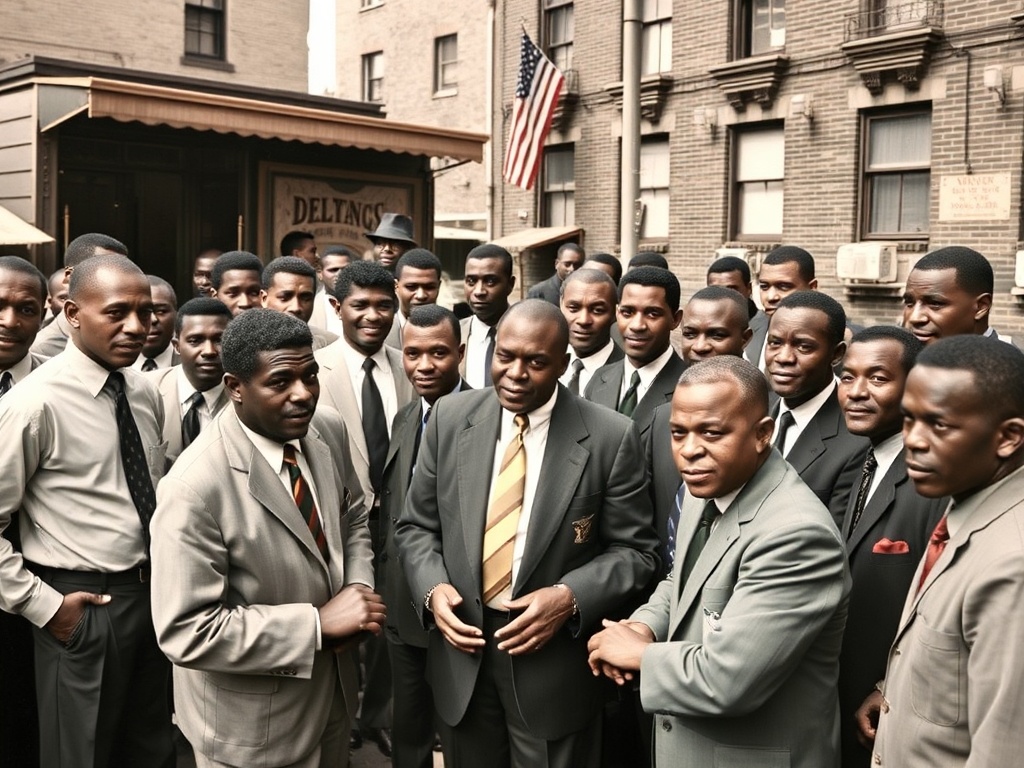
Through the latter twentieth century, Delta Sigma Phi evolved in response to changing social conditions, member needs, and broader movements in American higher education and society. The organization adapted its practices while maintaining core commitments, navigating challenges and opportunities that reshaped the fraternity and sorority landscape. Members engaged with contemporary issues affecting their communities and society, translating the organization's principles into meaningful action. This period saw the development of more sophisticated leadership structures, community service initiatives, and educational programs designed to help members thrive personally and professionally. The organization's resilience and adaptability during this period demonstrated the enduring relevance of its founding vision even as specific practices and emphases evolved.
Modern Era and Legacy

In contemporary times, Delta Sigma Phi continues its mission while embracing new understanding of inclusion, diversity, and social responsibility. Current members honor the organization's traditions while pushing forward with updated perspectives on what brotherhood and sisterhood mean in the twenty-first century. The organization's legacy encompasses generations of members who have committed themselves to its ideals, achieved distinction in their professions and communities, and mentored younger members in turn. Modern chapters maintain connections with alumni networks that span decades, creating intergenerational communities committed to the organization's values. As Delta Sigma Phi looks toward the future, it carries forward the best of its traditions while remaining responsive to the evolving needs and aspirations of members and communities it serves.
Traditions
Core Values
Notable Members
Charity Partnerships
Frequently Asked Questions
Why was Delta Sigma Phi founded at City College of New York?
City College of New York served talented students from immigrant and working-class backgrounds determined to advance through education. Delta Sigma Phi was founded to develop character and leaders through brotherhood grounded in authentic community transcending class and ethnic boundaries.
What is distinctive about Delta Sigma Phi's approach to diversity?
Delta Sigma Phi was founded with an inclusive model, bringing together men from various backgrounds united by commitment to personal development and social responsibility. This approach distinguished the fraternity and attracted men valuing brotherhood that transcended class and ethnic boundaries.
How does Delta Sigma Phi understand character development?
The fraternity emphasizes that true brotherhood requires moral development, ethical integrity, and commitment to using one's capabilities for good. Character development is not merely personal virtue but foundation for leadership and responsible citizenship.
What is Delta Sigma Phi's understanding of social responsibility?
Delta Sigma Phi teaches that personal success carries responsibility to serve communities and contribute to social progress. Members are expected to understand their advantage and to use their capabilities and opportunities for community benefit.
How does Delta Sigma Phi support urban community development?
The fraternity engages in substantial urban community development work, reflecting its New York roots and commitment to addressing needs in urban contexts. Members participate in community service, mentorship programs, and educational support addressing urban challenges.
What kinds of leaders has Delta Sigma Phi developed?
Delta Sigma Phi alumni have become business leaders, educators, artists, and community advocates. These accomplished members credit the fraternity with significant influence on their character development and their understanding of leadership responsibility.
How does Delta Sigma Phi approach membership?
The fraternity seeks men demonstrating academic promise, good character, commitment to personal development, and willingness to engage in community service. Membership emphasizes quality and genuine commitment to the fraternity's mission.
What role do leadership workshops play in Delta Sigma Phi?
The fraternity organizes leadership workshops providing instruction in ethical decision-making, organizational management, communication, and service leadership. Workshops prepare members to lead effectively and responsibly in their communities.
How does Delta Sigma Phi integrate community service with brotherhood?
How does Delta Sigma Phi maintain cultural inclusivity?
The fraternity celebrates cultural diversity, organizes cultural events, welcomes members from all backgrounds, and creates environments where diversity is recognized as strength. Cultural inclusivity is understood as foundational to authentic brotherhood.
What educational support does Delta Sigma Phi provide?
The fraternity provides peer academic support, mentorship from successful alumni, study groups, and recognition of academic achievement. Members support each other's educational success as part of their commitment to brotherhood and personal development.
How does Delta Sigma Phi develop mentorship relationships?
The fraternity facilitates mentorship between older and younger members, between alumni and active members, and between members and community leaders. Mentorship addresses academic development, character formation, career preparation, and personal growth.
What is Delta Sigma Phi's vision for developing men?
Delta Sigma Phi believes developing men requires grounding in diverse community, sustained attention to character and moral formation, integration of personal success with social responsibility, access to mentors and role models, and participation in meaningful community service.
Share Your Thoughts
Have thoughts or comments about Delta Sigma Phi? We'd love to hear from you.