Alpha Sigma Phi
Founded 1845
Yale University
History
Founded at Yale as a literary society that evolved into one of the oldest fraternities, emphasizing brotherhood and personal excellence through a supportive community.
Founded
1845
Institution
Yale University
Deep History
Founding and Early Vision

Alpha Sigma Phi was founded at Yale University in 1845 as a literary society dedicated to intellectual development and brotherhood. The founders recognized that true fraternity could be cultivated through shared intellectual pursuits, mutual support, and commitment to personal excellence. Unlike many organizations of the era emphasizing primarily social activities, Alpha Sigma Phi was established with explicit purpose of creating a community where members could challenge each other intellectually and develop as complete individuals—scholars, leaders, and ethical men committed to contributing meaningfully to society.
Growth and Expansion
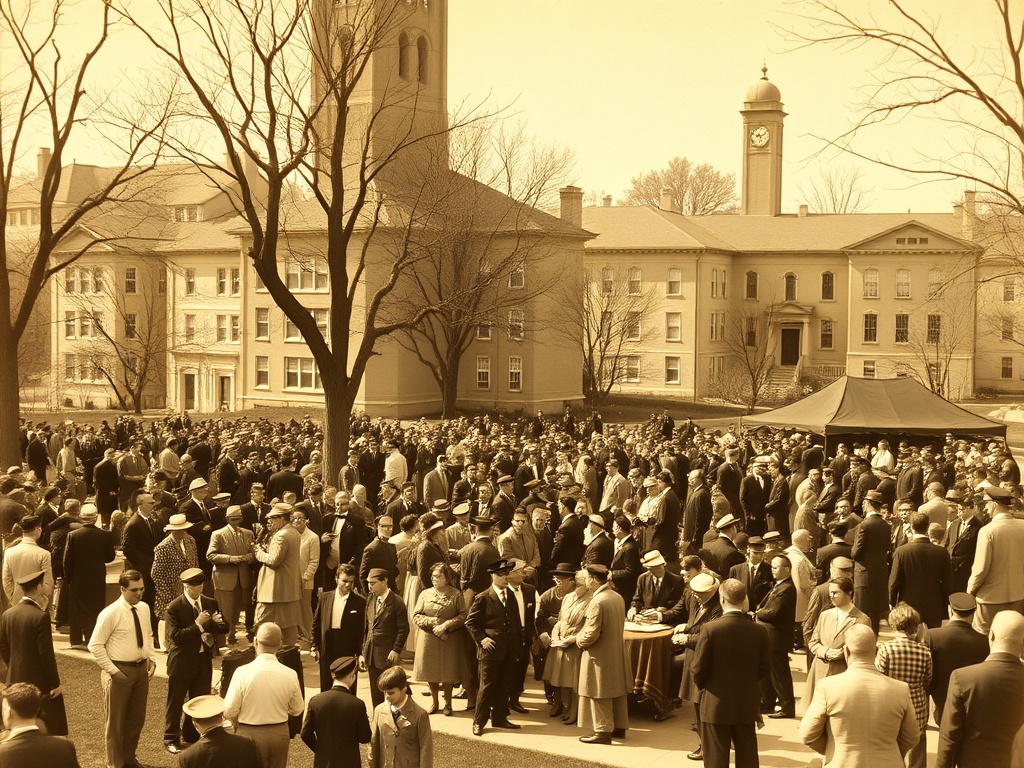
Following the Civil War and into the twentieth century, Alpha Sigma Phi thoughtfully expanded from its Yale foundation to establish chapters at other institutions. This expansion was deliberate and measured, reflecting commitment to maintaining core values while adapting to local campus communities. The fraternity developed increasingly sophisticated structures for supporting members' intellectual development, creating mentorship systems, organizing scholarly discussions, and maintaining strong alumni networks. The chapter system allowed each community of Alpha Sigma Phi members to adapt to local cultures while remaining true to national values and standards.
Mid-Century Development
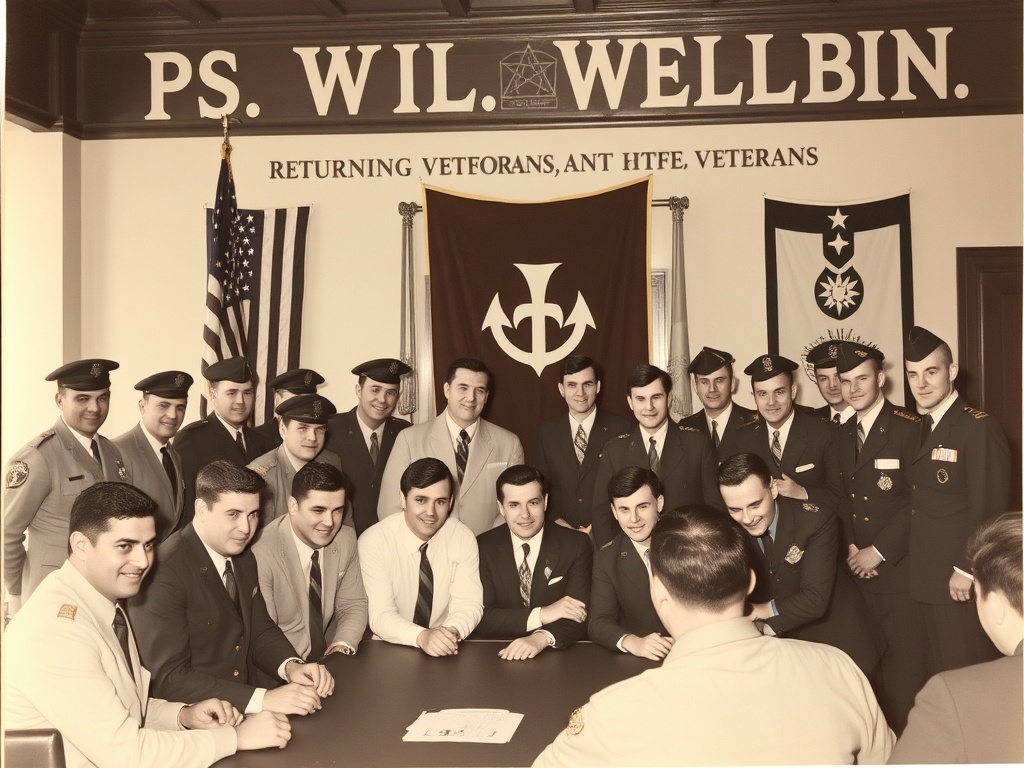
The twentieth century brought further evolution and refinement of Alpha Sigma Phi's mission as the fraternity adapted to changing educational contexts and social norms. Members consistently reported that their fraternity experience profoundly influenced their career trajectories, intellectual development, and approach to personal integrity and ethical decision-making. Many prominent scholars, business leaders, and public servants attributed significant influence to their Alpha Sigma Phi membership in shaping their success and understanding of personal responsibility. The post-war era witnessed deepened commitment to service and community engagement.
Modern Era and Legacy

Today, Alpha Sigma Phi continues to fulfill its founding mission of developing men who excel intellectually while maintaining high standards of character and integrity. Modern chapters maintain vigorous intellectual traditions through book clubs, leadership seminars, and structured mentorship, combining these pursuits with strong philanthropic commitments and service to broader communities. The organization recognizes that personal excellence encompasses not only intellectual achievement but also moral development, physical well-being, and genuine care for the welfare of others. This comprehensive approach has allowed Alpha Sigma Phi to remain relevant and meaningful across generations.
Traditions
Core Values
Notable Members
Charity Partnerships
Frequently Asked Questions
What is the significance of Alpha Sigma Phi's origins as a literary society?
Alpha Sigma Phi was founded at Yale in 1845 as a literary society, emphasizing intellectual discourse and shared scholarly pursuits. This foundation distinguished it from social fraternities, establishing intellectual development as central to its mission. The literary society model created spaces for rigorous debate, critical thinking, and personal growth through intellectual engagement.
How has Alpha Sigma Phi maintained its intellectual focus?
Throughout its history, Alpha Sigma Phi has prioritized intellectual development alongside brotherhood. Chapters maintain traditions of scholarly discussion, book clubs, and mentorship programs. The fraternity believes that intellectual growth is inseparable from personal development and that members should challenge each other intellectually while supporting each other personally.
What does Alpha Sigma Phi value in its members?
Alpha Sigma Phi seeks members who demonstrate commitment to personal excellence, intellectual engagement, and ethical integrity. The fraternity values men who are serious about their education, willing to engage in meaningful discussion, and committed to developing as complete individuals—not just academically successful, but also morally responsible and socially conscious.
How did Alpha Sigma Phi expand from Yale?
Following the Civil War and into the twentieth century, Alpha Sigma Phi thoughtfully expanded from its Yale foundation to establish chapters at other institutions. This expansion was deliberate and measured, ensuring that new chapters maintained the fraternity's core values while adapting to their local campus communities.
What is Alpha Sigma Phi's approach to brotherhood?
Alpha Sigma Phi's approach to brotherhood emphasizes mutual intellectual support, personal challenge, and genuine care for each member's development. Brothers are expected to engage with each other's ideas critically, support each other through intellectual struggles, and work collectively to develop as ethical, accomplished individuals.
How does Alpha Sigma Phi support academic excellence?
The fraternity provides structured mentorship, maintains high academic standards, organizes study groups and academic support, and celebrates members' scholarly achievements. Alpha Sigma Phi chapters often maintain scholarships and recognition programs for members achieving academic distinction.
What philanthropic causes does Alpha Sigma Phi support?
Alpha Sigma Phi supports educational scholarships, literacy programs, youth development initiatives, and community service projects. The fraternity believes that personal success carries responsibility to lift others and contribute to improving access to education and opportunity for underserved communities.
How does Alpha Sigma Phi develop leaders?
The fraternity develops leaders through structured mentorship, opportunities to hold chapter offices, and service learning. Members practice democratic decision-making, develop executive skills, mentor newer members, and engage in meaningful service that builds both competence and character.
What impact does Alpha Sigma Phi membership have on alumni?
Alumni consistently report that Alpha Sigma Phi membership significantly influenced their professional success, intellectual development, and personal character. Many attribute their approach to ethical leadership, continuous learning, and commitment to service to the values instilled through their fraternity experience.
How does Alpha Sigma Phi balance social and intellectual activities?
The fraternity integrates social connection with intellectual engagement, believing that strong friendships are built through genuine interaction that includes intellectual challenge and support. Social events, dining together, and shared experiences complement more formal intellectual programming.
What is Alpha Sigma Phi's position on diversity and inclusion?
Alpha Sigma Phi welcomes men of all backgrounds who demonstrate commitment to personal excellence and intellectual engagement. The fraternity believes that diversity of perspective strengthens intellectual discourse and that brotherhood transcends differences of background.
How has Alpha Sigma Phi adapted while maintaining its identity?
While adapting to changing educational contexts and social norms, Alpha Sigma Phi has remained true to its core mission of developing men intellectually, morally, and socially. The fraternity periodically reassesses its practices while maintaining fundamental commitments to scholarship, brotherhood, and personal excellence.
How can I learn more about Alpha Sigma Phi?
Prospective members can contact chapters at their university, attend recruitment events, or visit the national organization's website. Alpha Sigma Phi welcomes conversations with interested men who value intellectual engagement, brotherhood, and personal development.
Share Your Thoughts
Have thoughts or comments about Alpha Sigma Phi? We'd love to hear from you.