Acacia
Founded 1904
University of Michigan
History

Founding and Early Vision

Acacia was established in 1904 at the University of Michigan with a revolutionary vision for college fraternities. Rather than emphasizing social prestige or exclusivity, the founders envisioned a brotherhood dedicated to character development, intellectual growth, and ethical leadership. The fraternity's early leaders, influenced by Masonic principles, deliberately structured Acacia to be an educational organization where members would engage in serious reflection about their values, responsibilities, and contributions to society. This distinctive approach to fraternity set Acacia apart from many contemporary organizations and established principles that continue to guide the fraternity today.
Expansion and National Influence

Throughout the early twentieth century, Acacia expanded to major universities across the United States, establishing chapters at institutions including Cornell, Purdue, Wisconsin, and many others. This geographic expansion reflected the fraternity's growing reputation for developing ethical leaders and its appeal to serious-minded students seeking meaningful community. As Acacia chapters were established at diverse universities, the fraternity developed a national structure that enabled local chapters to maintain strong communities while adhering to shared principles. This expansion created networks of Acacia men across the country who maintained lifelong connections and supported each other's professional and personal development.
Tradition of Leadership Development

Acacia became known for its systematic approach to developing future leaders. Through structured mentorship, leadership conferences, and intentional progression of member responsibilities, the fraternity created what might be called a leadership development laboratory. Members served as officers, managed chapter operations, resolved conflicts, and guided younger members—all under the mentorship of more experienced brothers. This hands-on experience in organizational leadership, combined with study of ethical principles and reflection on decision-making, prepared Acacia men for leadership roles in their professions and communities. The fraternity's commitment to leadership development has produced notable graduates who achieved distinction in government, business, academia, and civic service.
Commitment to Service and Character
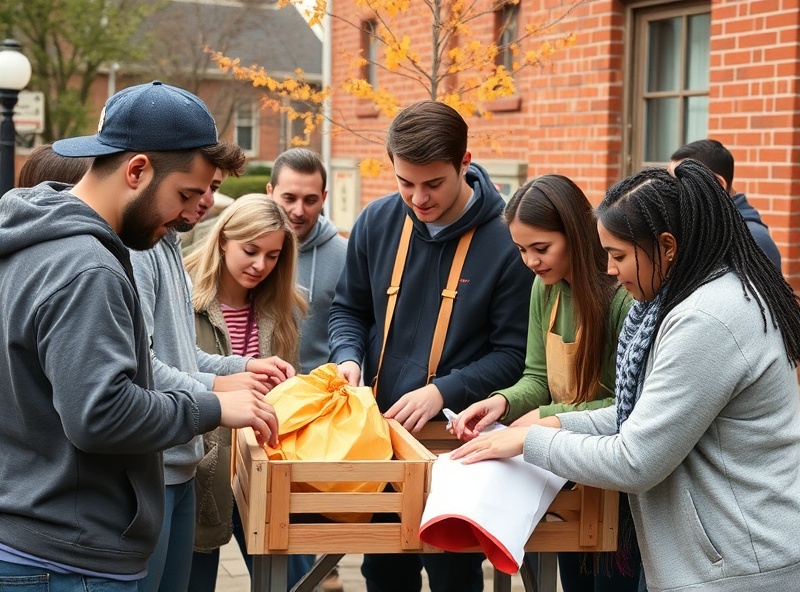
Throughout its history, Acacia has maintained unwavering commitment to the principle that fraternity membership entails obligations to others and to society. Members engage in community service, support educational initiatives, mentor young people, and contribute their talents to causes larger than themselves. This service orientation reflects Acacia's founding belief that personal development and character formation are means to an end—enabling members to contribute meaningfully to their communities. Whether through scholarship programs, community partnerships, or individual volunteer work, Acacia men demonstrate daily the fraternity's conviction that brotherhood and character development ultimately serve purposes beyond the brotherhood itself.
Founded
1904
Institution
University of Michigan
Founding Members

Deep History
Founding and Symbolic Significance

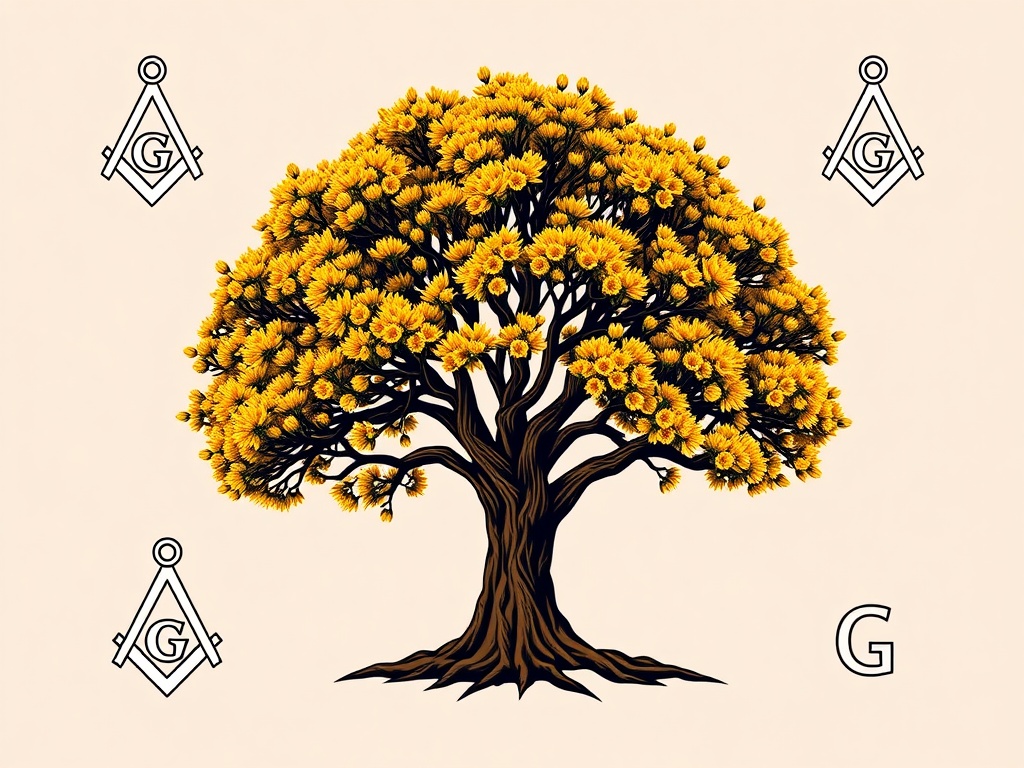
Acacia was founded at the University of Michigan on June 24, 1904, during a transformative period of progressive educational reform when fraternities were evolving from social clubs into institutions dedicated to character development and intellectual engagement. The fraternity's name carries profound symbolic meaning: the Acacia tree represents durability, resilience, endurance, and immortality in classical and biblical tradition. The single Greek letter Alpha symbolizes the beginning and foundational commitment from which all values flow. These deliberate symbols expressed the founders' vision of creating an institution designed to endure and equip members with the character and integrity necessary for lifelong success—not merely a transient social club, but a community dedicated to personal excellence and ethical character.
Masonic Connection and Philosophical Foundations

Acacia's connection to Freemasonry represents a fundamental layer of the fraternity's philosophical richness. The Acacia tree holds profound significance in Masonic tradition as a symbol of immortality and eternal truth. Many of the fraternity's founders were Masons or deeply influenced by Masonic principles of self-improvement, ethical development, and brotherhood grounded in shared commitment to higher ideals. Acacia drew inspiration from Masonic traditions of ritual significance, hierarchical development of understanding, emphasis on moral character, and dedication to creating communities of men committed to personal and collective elevation. This Masonic influence informed Acacia's approach to ritual, member education, character development, and creation of intentional communities dedicated to ideals larger than individual advantage.
Early Growth and Expansion (1904-1920s)

The early decades of Acacia witnessed rapid growth and the solidification of fundamental structures, values, and practices. Despite the massive disruptions of World War I—which claimed many members' lives and forced temporary suspension of chapter activities—Acacia not only survived but strengthened during this period. The fraternity established national conventions, developed its ritual and ceremonial practices with careful attention to educational principles, and expanded strategically to major universities across the Midwest and nation. This expansion was never haphazard; the fraternity maintained strict standards for chapter development and membership, understanding that growth without maintaining standards would compromise the organization's fundamental purpose.
The Great Depression Years (1930s)

The Great Depression severely tested Acacia and all fraternal organizations. Economic hardship threatened traditional fraternity structures, fundraising mechanisms, and member participation. Yet Acacia's emphasis on character development over mere social status proved remarkably resilient. Members found in their fraternity a stabilizing force during national uncertainty, and chapters engaged in mutual support and community service that reflected deeper values beyond social standing. The Depression years reinforced Acacia's fundamental understanding that fraternity bonds transcend economic circumstances and that true brotherhood means supporting fellow members through difficulty and uncertainty.
World War II and Postwar Evolution

World War II marked a pivotal moment in Acacia's trajectory as thousands of members served in military capacities, with tragically many making the ultimate sacrifice. The fraternity's national headquarters experienced wartime disruptions and many chapters temporarily could not maintain full operations. Yet the organizational structure, grounded in the chapter system and supported by committed alumni, proved sufficiently robust to endure this extraordinary test. The postwar period witnessed Acacia emerge strengthened, with returning veterans often becoming the most dedicated alumni, maintaining lifelong connections and serving as mentors to successive generations of students.
Civil Rights and Modern Transformation (1960s-1970s)

The Civil Rights movement challenged all fraternities to reconsider fundamental questions of membership, inclusion, and social responsibility. Acacia, remaining true to its founding commitment to merit-based membership and character development irrespective of background, gradually became more inclusive and diverse. The fraternity recognized that excellence and integrity know no boundaries of race, ethnicity, or socioeconomic background. During this era, Acacia's commitment to scholarship and service deepened further, with chapters engaging in civil rights work, community development, and educational outreach alongside their core mission of members' personal development.
The Chapter System: Organizational Heart

The chapter system has always constituted the organizational and philosophical heart of Acacia's identity. Each chapter operates as a self-governing community where members learn democratic principles, develop executive skills, practice ethical decision-making within organizational contexts, and participate in community service. This distributed structure—with national leadership providing guidance and maintaining standards while allowing chapters substantial autonomy—has proven remarkably durable. It has enabled the fraternity to adapt to changing times, different campus cultures, and evolving student needs while maintaining remarkable continuity with founding principles. Chapters address local conditions while remaining connected to national purpose.
Scholarship and Intellectual Development

Acacia's particular and consistent emphasis on scholarship has distinguished it throughout its history. The fraternity maintains standards emphasizing that personal development encompasses intellectual growth and academic achievement. Many chapters maintain substantial scholarship endowments, provide awards for academic distinction, and offer support programs for members seeking academic improvement. This commitment extends beyond individual achievement; chapters facilitate peer tutoring, organize study groups, provide research support, and offer structured academic mentoring, understanding that intellectual development benefits the entire community and positions members for success in professional and civic life.
Philanthropy and Community Service

The fraternity's national philanthropic focuses have evolved and deepened to emphasize educational scholarships, youth leadership development, and community service. These priorities reflect Acacia's core belief that young people deserve access to opportunities for intellectual and moral growth. Through decades of sustained effort, chapters have contributed millions in scholarships and educational support, mentored youth through formal programs and informal relationships, and volunteered countless thousands of hours supporting educational institutions, youth organizations, and community development initiatives. This work flows directly from the founding vision that individual success carries responsibility to lift others and contribute to societal progress.
Notable Members and Lasting Impact

Notable Acacia members across generations have included business leaders who founded major enterprises, academics and researchers who advanced knowledge in their fields, physicians who provided care and leadership in medical institutions, judges who shaped jurisprudence, military officers at all ranks, and public servants who contributed to good governance. These accomplished individuals consistently attribute significant influence to their fraternity membership in shaping their success. They report that Acacia shaped not only their career trajectories but their fundamental character, values, ethical frameworks, and approach to leadership. The fraternity's emphasis on ethical decision-making, service orientation, intellectual integrity, and thoughtful leadership has equipped members to lead with wisdom and integrity in their respective fields.
Acacia Today and Beyond

After more than 120 years of continuous operation, Acacia remains strikingly true to its foundational vision while adapting thoughtfully to contemporary contexts and student needs. Modern chapters maintain rigorous membership standards, emphasize intellectual development through academic support and leadership education, engage in substantial and meaningful community service, and provide structured mentorship systems that support members' holistic development. The fraternity continues to attract men committed to personal excellence and ethical leadership—men who understand that fraternity membership is a privilege carrying significant responsibility and opportunity for personal growth and community contribution. Acacia's historical journey illustrates the enduring power of intentional community and purposeful character development in shaping individuals and institutions across generations.
Freemasonry Connection
Symbolic Significance of the Acacia Tree

Acacia's connection to Freemasonry is profound and central to understanding the fraternity's philosophical foundations and symbolic meaning. The fraternity's very name carries Masonic significance: the Acacia tree holds deep symbolic importance in Masonic tradition, representing immortality and the eternal nature of truth. Many of Acacia's founders and early leaders were themselves Freemasons or deeply influenced by Masonic principles, and they deliberately chose to infuse the college fraternity with these time-honored traditions of self-improvement and ethical development.
Ritual Significance and Organizational Structure

The influence of Masonic principles appears throughout Acacia's organizational structure and educational approach. Like Freemasonry, Acacia emphasizes ritual significance as a vehicle for conveying deeper philosophical truths. The fraternity employs carefully crafted initiation ceremonies and ritual practices designed to connect members to larger traditions of human development and moral enlightenment. This ritualistic approach reflects the Masonic belief that meaningful ceremony creates psychological and spiritual transformation, binding members to shared ideals and ancient wisdom.
Hierarchical Development of Understanding

Acacia and Freemasonry share a fundamental commitment to hierarchical development of understanding. Just as Masonry progresses members through degrees of increasing insight and responsibility, Acacia structures member development through progressive stages, where newer members gradually deepen their understanding of fraternal principles and assume greater leadership responsibilities. Both organizations recognize that genuine transformation requires time, reflection, and progressive engagement with increasingly complex philosophical concepts.
Moral and Ethical Emphasis

The moral and ethical emphasis central to both organizations reflects shared commitment to human elevation and character development. Freemasonry has long emphasized the moral development of its members, the ethical application of knowledge, and dedication to principles transcending material gain or social status. Acacia adopted these same commitments, insisting that fraternity membership serves higher purposes than social prestige or entertainment. Members are expected to engage in serious moral reflection, maintain high ethical standards, and commit themselves to personal and collective elevation.
Brotherhood and Intentional Communities
Acacia's dedication to creating intentional communities of men committed to shared ideals reflects Masonic influence. Both organizations understand brotherhood as more than casual friendship—it represents a binding commitment to mutual support, collective development, and advancement of shared principles. Members covenant to support fellow members' growth, to maintain communities grounded in substantive values, and to work toward ideals larger than individual advantage.
Philosophical Foundations and Mission

The philosophical sophistication that characterizes Acacia's approach to fraternity—its emphasis on intellectual engagement, moral development, and ritual meaning—derives substantially from Masonic traditions of enlightenment and self-improvement. While Acacia remains distinctively collegiate and fraternal in character, serving the particular needs of college students, its Masonic heritage has profoundly shaped how the organization understands its mission: to develop ethical, capable leaders grounded in wisdom traditions extending back through centuries of human development.
Traditions

Core Values

Notable Members
Charity Partnerships

Active Chapters

Frequently Asked Questions
What does the single Greek letter Α represent for Acacia?
The single Greek letter Alpha represents the beginning and foundation of Acacia's fraternal mission. It symbolizes the fraternity's role as a starting point for personal and intellectual development in members' lives. This choice reflects Acacia's emphasis on initiation into a community of learning and brotherhood.
When was Acacia founded and where?
Acacia was founded on June 24, 1904, at the University of Michigan. This timing placed the fraternity at the forefront of the early 20th-century movement to infuse Greek organizations with stronger emphasis on academic achievement and character development. The choice of the University of Michigan reflected the founders' desire to establish the fraternity at a leading public institution committed to accessible education and progressive thinking.
Why was Acacia founded at such a specific historical moment?
Acacia emerged during a transformative period in American higher education when fraternities were evolving from purely social clubs into institutions dedicated to intellectual development and character formation. The early 1900s represented a philosophical shift in Greek life toward meaningful personal development and social responsibility, ideals that Acacia embodied from its inception.
What is the significance of the Acacia tree as the fraternity's symbol?
The Acacia tree has been a symbol throughout history of durability, resilience, endurance, and immortality. The founders chose this symbol deliberately to express their belief that Acacia would endure through history and equip members with the character and integrity necessary for lifelong success. This symbolic choice reflected the fraternity's commitment to creating something far more significant than a temporary social organization.
How did Acacia survive World War I and World War II?
Despite the massive disruptions of both world wars—which claimed many members' lives and forced temporary suspension of some chapter operations—Acacia survived and actually strengthened through these periods. The fraternity's structure, grounded in the chapter system and supported by committed alumni, proved robust enough to endure extraordinary historical challenges. Returning veterans often became the most dedicated alumni and mentors.
How did Acacia respond to the Great Depression?
During the Great Depression of the 1930s, Acacia's emphasis on character development over mere social status proved resilient. Chapters engaged in mutual support and community service that reflected deeper fraternal values beyond economic status. This period reinforced the fraternity's fundamental understanding that true brotherhood transcends economic circumstances and that fraternity bonds involve supporting fellow members through difficulty.
How has Acacia adapted to social and cultural changes?
Throughout its history, Acacia has remained true to its founding principles while adapting thoughtfully to changing times. The Civil Rights era prompted the fraternity to become more inclusive and diverse, recognizing that excellence and integrity know no boundaries. This pattern of principled adaptation has allowed Acacia to remain relevant across successive generations while maintaining core values.
What is Acacia's approach to membership and brotherhood?
Acacia welcomes students who demonstrate commitment to academic excellence, personal integrity, and community service. Membership is selective, focusing on quality over size. The fraternity emphasizes lifelong brotherhood, with active support systems connecting undergraduate members with alumni mentors and creating networks that extend far beyond college years.
What is the chapter system and why is it central to Acacia's identity?
Each Acacia chapter operates as a self-governing community where members learn democratic principles, develop leadership skills, practice ethical decision-making, and engage in community service. This distributed organizational structure—with national guidance but substantial chapter autonomy—has allowed Acacia to adapt to local contexts while maintaining national standards and purpose. The chapter system has proven remarkably durable over more than 120 years.
How does Acacia contribute to campus and community life?
Acacia chapters engage in significant philanthropic work, with particular emphasis on educational scholarships and youth leadership development. Members volunteer their time and resources to support these initiatives, believing that fraternity membership carries responsibility to improve the broader community. This commitment flows from the fraternity's founding vision.
What role has scholarship played in Acacia's identity?
Acacia has maintained consistently high academic standards throughout its history, distinguishing itself among fraternities. The organization provides scholarship support, recognizes academic achievement, and offers peer tutoring and study support. This emphasis on intellectual development reflects the belief that personal excellence encompasses intellectual growth and that the fraternity should support members' academic success.
What are the long-term impacts of Acacia membership?
Alumni consistently report that their Acacia experience shaped their professional success and personal character. Acacia members have become business leaders, academics, physicians, judges, military officers, and public servants who attribute their success to fraternity influences. The fraternity's emphasis on intellectual development, ethical leadership, and meaningful relationships creates lasting bonds and influences how members approach their careers and civic responsibilities throughout their lives.
How does Acacia view its role in developing future leaders?
Acacia sees itself as a laboratory for character development and leadership cultivation. The fraternity provides structured opportunities for members to practice democratic decision-making, develop executive skills, mentor newer members, and engage in meaningful service. This comprehensive approach to leadership development has remained central to Acacia's mission for over 120 years.
What is the connection between Acacia and Freemasonry?
Acacia has a profound connection to Freemasonry rooted in the symbolic and philosophical significance of the Acacia tree in Masonic tradition. Many of Acacia's founders were Masons or deeply influenced by Masonic principles. The fraternity drew inspiration from Masonic traditions of self-improvement, ethical development, brotherhood grounded in shared ideals, and ritual significance. This connection is reflected in Acacia's emphasis on moral character development, hierarchical growth in understanding, and dedication to creating communities of men committed to principles extending beyond material gain or social status.
How did Masonic principles influence Acacia's structure and values?
Masonic traditions profoundly shaped Acacia's organizational approach and values. Like Freemasonry, Acacia emphasizes ritual significance, progressive development of members' understanding and capabilities, moral character as the foundation for advancement, and the creation of intentional communities dedicated to ideals larger than individual advantage. The fraternity's structure, educational programming, and emphasis on enlightenment and ethical development all reflect these Masonic influences. While remaining distinctively collegiate and fraternal in character, Acacia has maintained this connection to Masonic principles of wisdom, brotherhood, and human elevation throughout its 120+ year history.
Share Your Thoughts
Have thoughts or comments about Acacia? We'd love to hear from you.